


 English
  Español
  中文简体
中文简体
Product Consultation
Your email address will not be published. Required fields are marked *
Cold Heading Agricultural Machinery Parts: A Foundation for Durability
Aug 06,2025What should you know about synchronizer guide block assembly?
Aug 06,2025Why Bus Gearbox Parts Are Critical for Vehicle Performance?
Aug 06,2025Commercial Vehicle Gearbox Parts: A Comprehensive Guide to Market Trends and Maintenance
Aug 06,2025In modern mechanical engineering and the automotive industry, the gearbox plays a crucial role as a vital power transmission system. Whether in cars, trucks, or industrial machinery, the operation of the gearbox directly impacts the efficiency and reliability of the equipment. Behind every gearbox lies a series of precise gearbox parts, each of which is indispensable.
The primary function of a gearbox is to adjust different gear ratios according to the operating needs of a vehicle or machine, thereby changing the speed and torque of the output shaft. Its structure consists of multiple components, the most crucial of which include gears, synchronizers, bearings, and bushings. Each component not only has a unique function but also works together to ensure the efficient and stable operation of the gearbox system.
Gears, as the most fundamental component of the gearbox, directly affect the smoothness and durability of the entire system through their shape, material, and machining precision. Typically, gears are made of high-strength alloy steel and undergo precise heat treatment and surface treatment to improve wear resistance and impact resistance. Gears in a transmission are generally divided into two types: spur gears and helical gears. Spur gears are simpler to manufacture and have lower costs, while helical gears provide a smoother transmission and are commonly found in high-performance or high-load transmission systems.
Synchronizers are another crucial component, primarily used to ensure smooth gear meshing at different speeds, preventing impact noise or wear during gear engagement. Especially in manual transmissions, the design and material selection of the synchronizer are particularly important; a good synchronizer can significantly reduce shifting difficulty and noise.
Gears are the basic components for transmitting power. Transmissions typically contain a large number and variety of gears, requiring extremely high design precision. Their task is to regulate vehicle speed and power output through different gear ratios. Common gears include main gears, transfer gears, and shift gears, each with different working principles and functions. When selecting gears, factors such as material, heat treatment process, and tooth surface finish need to be considered.
The main function of bearings is to support the rotating shafts in the transmission, reduce friction, and improve transmission efficiency. Different types of bearings have different load-bearing capacities and applications. Common bearings include roller bearings and ball bearings. Furthermore, the use of bushings can further reduce friction and ensure smooth system operation.
The clutch in a transmission controls the connection and disconnection of power to achieve smooth gear shifting. It connects the engine and transmission, allowing the driver to accelerate or decelerate smoothly. Most modern transmissions are equipped with torque converters or dual clutches to improve shift smoothness and response speed.
As the outer shell of the entire system, the transmission housing is mainly used to enclose and protect the various components of the transmission, while also providing some structural support. Modern transmission housings are usually made of aluminum alloy, which has good lightweight characteristics and heat dissipation performance.
When selecting transmission parts, the first step is to ensure their compatibility with the original vehicle or equipment. Because each transmission has different designs and specifications, parts from different brands and models may not be compatible. Therefore, it is essential to select appropriate parts based on the specific requirements of the equipment. For car owners, it is best to choose certified original parts to avoid affecting driving safety due to quality issues.
The materials and manufacturing processes of gearbox parts directly affect their durability and performance. Taking gears as an example, high-quality gears are typically made of high-strength alloy steel and undergo special heat treatment processes, such as carburizing or nitriding, to improve their hardness and wear resistance. Furthermore, factors such as tooth surface finish and gear meshing precision also affect their performance.
Additionally, understanding the manufacturer's after-sales service and warranty policies is crucial during the purchasing process. As high-precision components, gearboxes are costly to repair and replace if they malfunction. Choosing a reputable manufacturer or supplier with excellent service ensures timely support and solutions when problems arise.
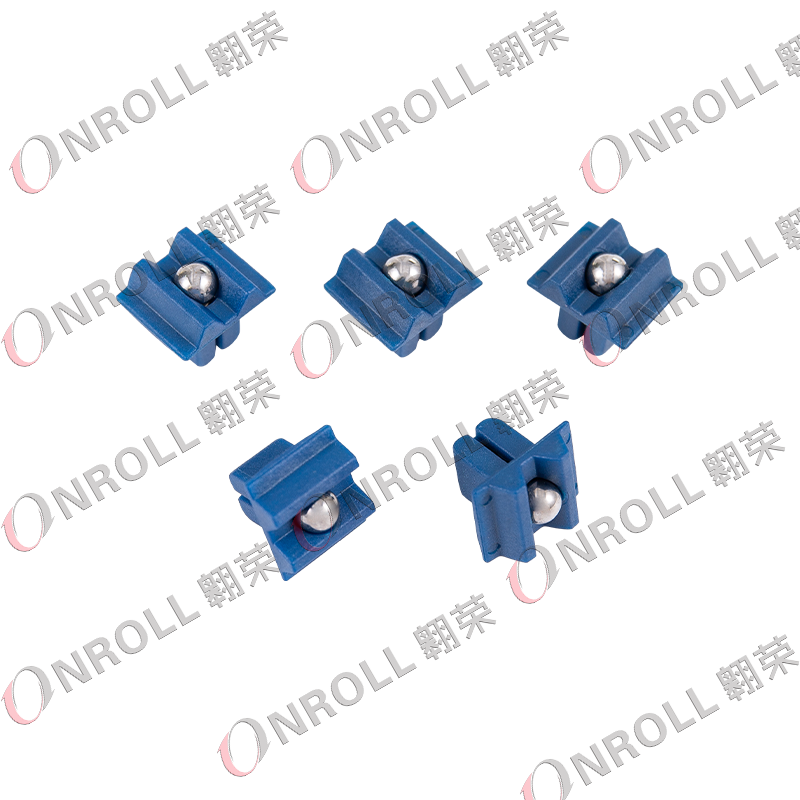
Even the highest quality gearbox parts require regular maintenance to extend their lifespan and ensure efficient operation. Routine gearbox maintenance includes regularly checking the gear oil level and quality, replacing deteriorated gear oil promptly to ensure smooth gear operation. Regularly checking the clutch wear is also necessary to ensure proper clutch function and prevent shifting difficulties due to clutch malfunction.
The main components of a transmission include gears, bearings, clutches, synchronizers, bushings, and housings. Each component plays a crucial role in transmitting power and ensuring the smooth operation of the transmission system.
High-strength alloy steel can withstand greater loads and provides higher wear resistance and impact resistance, which is essential for ensuring the long-term stability of the transmission.
The quality can be assessed by checking the material, machining precision, and surface treatment of the parts. High-quality transmission parts typically have a longer service life and a lower failure rate.
Abnormal noises from the transmission may be caused by gear wear, poor lubrication, or loose parts. It is recommended to check promptly, identify the source of the problem, and repair it.
Regularly changing the gear oil, promptly identifying and repairing any faults, maintaining good driving habits, and avoiding sudden acceleration and braking can all effectively extend the service life of transmission parts.
Your email address will not be published. Required fields are marked *

(+86)-191 0581 0729
(+86)-137 5830 1558