


 English
  Español
  中文简体
中文简体
Product Consultation
Your email address will not be published. Required fields are marked *
Cold Heading Agricultural Machinery Parts: A Foundation for Durability
Aug 06,2025What should you know about synchronizer guide block assembly?
Aug 06,2025Why Bus Gearbox Parts Are Critical for Vehicle Performance?
Aug 06,2025Commercial Vehicle Gearbox Parts: A Comprehensive Guide to Market Trends and Maintenance
Aug 06,2025A gearbox that grinds on the 2-3 shift at 60,000 km, a lever that jumps out of its gate on the motorway, a dual-clutch transmission that hesitates before every lockup: when automotive transmission components begin to fail, the symptoms are obvious. The culprit is usually a part smaller than a thumb - a synchronizer slider, a detent pin, a push block or a guide block assembly.
These parts decide how a transmission shifts, how long it stays quiet and how many kilometres it survives. The practical question for engineers and buyers is not whether they fail, but which ones fail first, which processes make them reliable, and how to confirm a supplier can hold the tolerances the design requires.
The automotive transmission components that fail first in real-world service are synchronizer sliders, detent pins and push blocks - not the gears, shafts or casings that get most attention. These small parts sit where sliding contact, impact and spring fatigue are concentrated, and they are designed to wear so the gearset survives.
Every gear change loads the synchronizer assembly. A city taxi making 4,000 to 6,000 shifts per month cycles the slider flanks several hundred thousand times before the first clutch replacement. Once the slider wears past its design limit, the shift fork loses engagement force and the gear clash starts on the 2-3 shift.
| Component | Primary failure mode | Service consequence |
| Synchronizer slider | Flank wear, plastic deformation | Grinding shift, gear clash |
| Detent pin | Tip wear, spring fatigue | Gear lever jumps out of engagement |
| Push block | Indentation, fracture | Missed shifts, gear lockup |
| Guide block assembly | Clearance loss, hammering | Noisy engagement, fork misalignment |
A synchronizer slider - also called a synchronizer strut or push piece - is the component that transmits axial force from the shift fork to the synchronizer ring, pressing the ring against the gear cone so input and output speeds can equalise before engagement. Without a functioning slider, no modern manual transmission can shift without grinding.
A synchronizer slider is a thin, sector-shaped component seated in a slot of the synchronizer hub. It converts shift-fork motion into radial pressure on the synchronizer ring through a detent ball and spring, giving the precise timing that makes clash-free shifts possible.
The slider is one of the most demanding forming parts in a transmission: its flanks carry repeated impact loads and its dimensional accuracy controls shift quality. In continuous slider production since 1992, the design has moved through four generations - a first-generation part for Suzuki-based platforms, a weight-optimised second generation in 1995, a standardised third generation adopted by the Chery supply system in 2008, and a fourth generation in 2012 with tighter tolerances and hardened flanks.
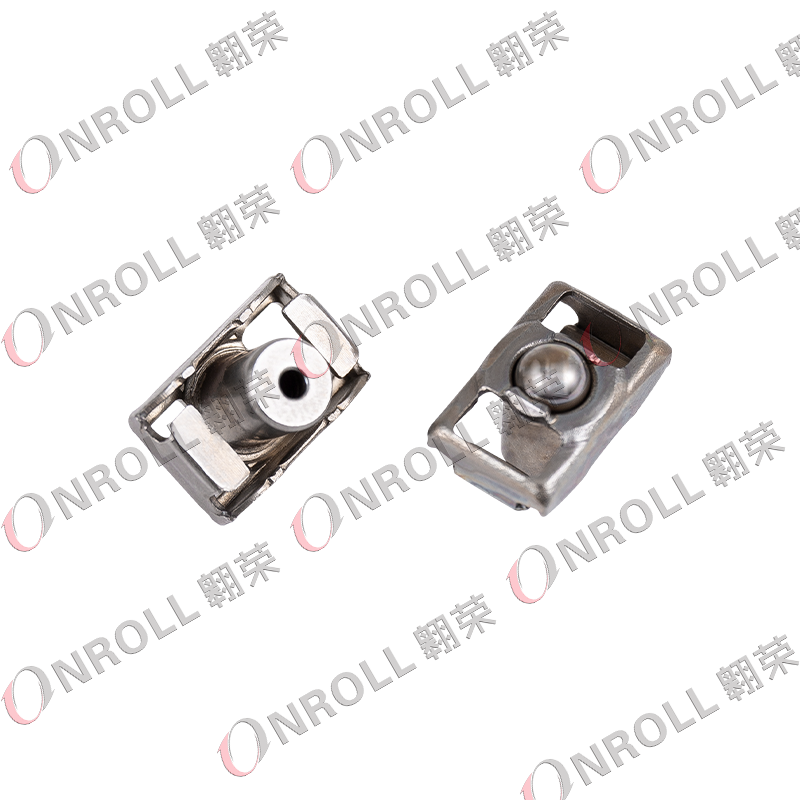 Precision Synchronizer Slider Assembly for TransmissionsThis stamped slider assembly offers stable dimensions and spring elasticity, supporting smooth gear shifts in passenger cars, light trucks, and manual or automatic transmissions.View Product →
Material selection depends on the application. Sintered steel sliders with 58-62 HRC case hardness dominate heavy commercial gearboxes, while glass-fibre reinforced PA66 plastic sliders are common in DCT units where mass, noise and lubrication compatibility matter more than raw strength.
Cold-headed automotive transmission components outperform machined equivalents in fatigue strength, material efficiency and unit cost whenever production volume justifies the tooling investment, which is the normal case for original-equipment transmission platforms.
Cold heading upsets wire at room temperature into a near-net shape. The grain structure follows the part outline instead of being cut across, which is why cold-headed push blocks and sliders show higher fatigue resistance. Material utilisation reaches 80 to 95 percent versus 30 to 60 percent waste in machining. Cycle time is commonly 0.2 to 0.5 seconds, making the process economical above roughly 50,000 parts per year.
Attribute scores: cold heading vs machining (0-10)
Cold headingMachining
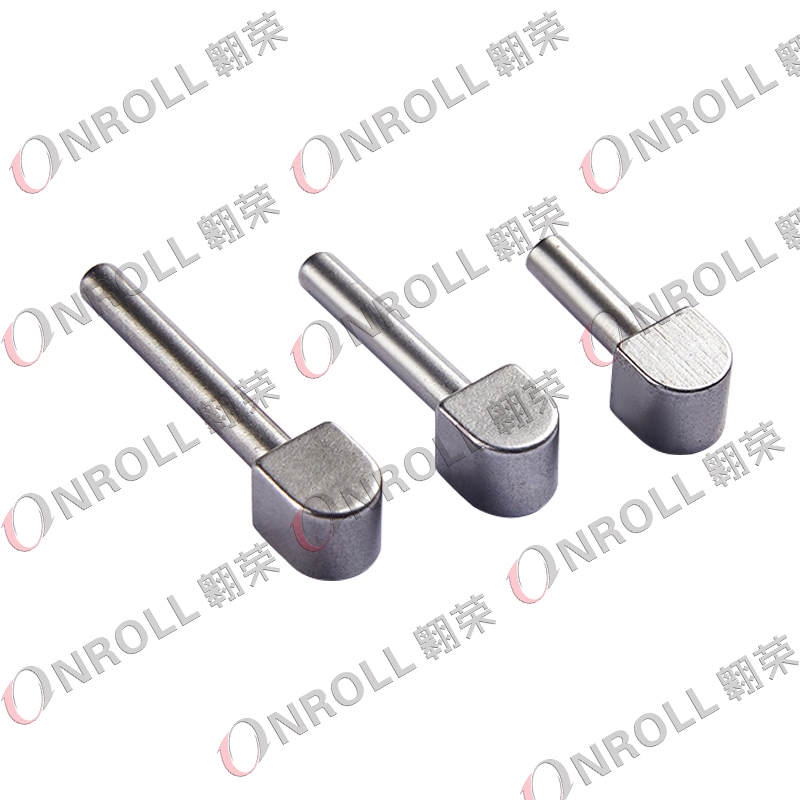 Cold-Headed Synchronizer Push Block for Commercial GearboxesProduced by cold heading and machining, this push block retains mechanical strength while lowering cost, making it suitable for heavy-load commercial vehicle transmissions.View Product →
Four measurable factors predict whether a batch of automotive transmission components will fail early or outlast the gearbox: chemical composition, dimensional accuracy, surface hardness and the elastic response of spring-assist features. A supplier's IATF 16949 certification is the management-system frame that keeps all four consistent across production runs.
Jiaxing OnRoll Machinery Co., Ltd. operates a 4,000-square-metre plant in Zhejiang Province, China, holding IATF 16949:2016 certification with automated dimensional and elasticity inspection. Since the 2012 fourth-generation launch, On-Roll sliders have covered most Chinese domestic brands, and the product range spans passenger, commercial, bus, agricultural, motorcycle and new-energy transmission parts.
Buyers should request PPAP documentation, material certificates and lot-level dimensional reports. A reliable indicator of capability is whether the supplier can measure the detent spring's elastic return in the same fixture as the dimensional check - many unbranded workshops cannot.
Each transmission platform - manual, dual-clutch and new-energy - imposes a different duty cycle on the same family of small components, so component selection depends more on the platform and its shift logic than on the material brand.
| Parameter | Manual (MT) | Dual-clutch (DCT) | New-energy (NEV) |
| Shift frequency | Low to medium | Very high | Very low |
| Key requirement | Wear resistance | Low NVH, low mass | Creep resistance |
| Flank tolerance | 0.02 mm | 0.01 mm | 0.02 mm |
MT platforms still dominate the aftermarket, but new transmission investment is moving toward DCT and NEV architectures, where the same precision components appear in reduction gearboxes and steering systems. The sliding block used in electric power steering must resist creep at standstill, because no combustion engine vibration relieves the contact load during stops.
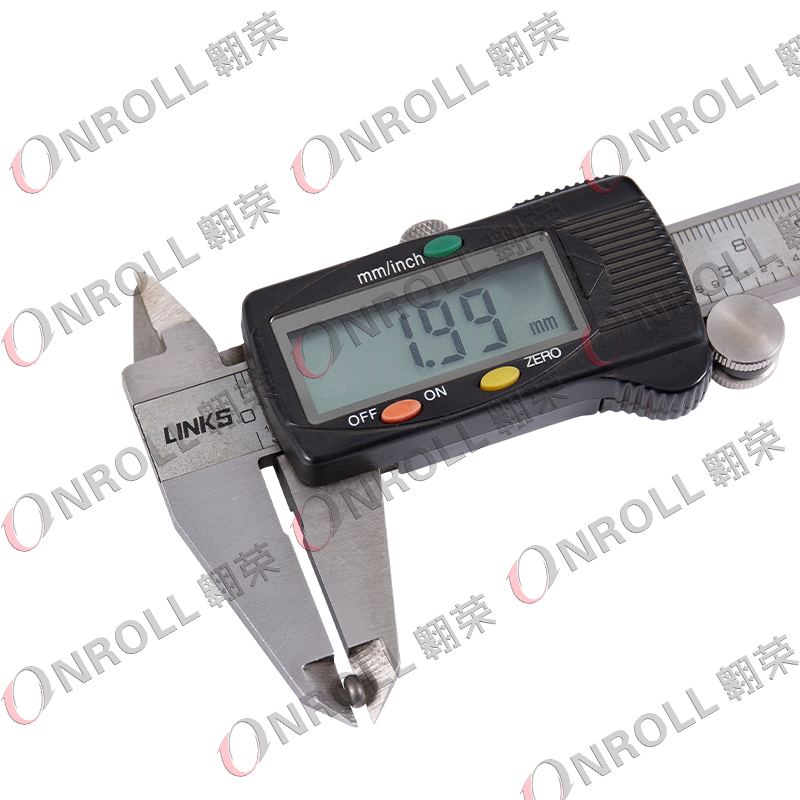 High-Accuracy Engine Phaser Slider for Hybrid TransmissionsWith thickness controlled within 0.005 mm and special tooling for small sizes, this slider meets the demanding precision needs of new-energy hybrid vehicle transmissions.View Product →
Selecting an automotive transmission components supplier requires checking four things before price negotiation: quality-system certification, in-house process capability, automated inspection equipment and proof of production on a named vehicle platform.
For brands and transmission factories that need contract manufacturing, the OEM factory service page describes the engineering, tooling and batch-release process for customer-owned drawings. A deeper technical walkthrough is available in the synchronizer strut explainer in the news centre.
A synchronizer slider transmits axial shift-fork force to the synchronizer ring, while a guide block locates the slider in the hub and transmits detent pressure. Many gearboxes combine both in a slider-guide block assembly replaced as one unit.
With normal manual-gearbox duty, steel sliders typically outlast the first clutch: 100,000 to 150,000 km. In taxi or stop-and-go operations, inspect at 80,000 km. DCT plastic sliders deserve inspection near 60,000 km because of much higher shift frequency.
No. Glass-fibre reinforced PA66 sliders often wear less against steel forks in DCT service while reducing mass and noise. The material must follow the duty cycle and shift-force requirements of the specific gearbox.
IATF 16949:2016 is the automotive-specific quality standard required by most tier-1 transmission factories. Buyers should also verify automated dimensional and elasticity inspection and request PPAP documentation for every batch.
Your email address will not be published. Required fields are marked *

(+86)-191 0581 0729
(+86)-137 5830 1558