


 English
  Español
  中文简体
中文简体
Product Consultation
Your email address will not be published. Required fields are marked *
Cold Heading Agricultural Machinery Parts: A Foundation for Durability
Aug 06,2025What should you know about synchronizer guide block assembly?
Aug 06,2025Why Bus Gearbox Parts Are Critical for Vehicle Performance?
Aug 06,2025Commercial Vehicle Gearbox Parts: A Comprehensive Guide to Market Trends and Maintenance
Aug 06,2025In modern automotive power transmission systems, the gearbox is a crucial component that not only regulates the engine's power output but also determines the vehicle's performance, driving experience, and fuel efficiency. The core of the gearbox lies in its precise and complex Passenger Car Gearbox Parts.
The main task of the gearbox is to transmit engine power to the wheels according to driving needs, and to adjust the power output by changing the gear ratio. Depending on the vehicle's driving conditions, the gearbox can achieve different speeds and torque outputs, allowing the driver to obtain optimal power response under various road conditions. Gearboxes typically come in two types: manual and automatic. Although their working principles differ, their core parts and functions share many similarities.
The gear set is one of the most critical parts in the gearbox. They regulate the power transmission through different gear ratios. The design of the gear set requires high-precision manufacturing. Common gear types include spur gears, helical gears, and spiral gears. Each type of gear has different applications depending on transmission requirements and noise control needs.
The synchronizer, an important component in manual transmissions, ensures smooth gear engagement. It synchronizes the rotational speed of the two gears, thus preventing gear clash or skipping. The synchronizer usually consists of a ring gear and friction plates. The material and design of the friction plates have a significant impact on the synchronizer's effectiveness.
The clutch is a vital component connecting the gearbox to the engine, especially crucial in manual transmissions. Through the clutch, the driver can control the connection and disconnection between the engine and the gearbox, thus selecting the appropriate gear and changing the vehicle's driving state. The clutch in automatic transmissions is electronically controlled, usually operated through a hydraulic system.
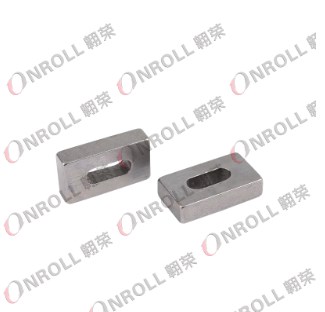
The drive shaft is the bridge that transmits power from the gearbox to the wheels. Its working principle is similar to gear transmission. Through a series of bearings and connecting devices, it transmits power from the gearbox to the drive wheels, ensuring smooth vehicle operation.
The transmission housing protects the internal components and also supports and secures other parts. It is usually made of aluminum alloy or steel, possessing strong compressive strength and heat resistance.
The hydraulic system is mainly used in automatic transmissions, providing pressure through a hydraulic pump to control the shifting mechanism within the transmission, ensuring that the transmission automatically adjusts gears according to the vehicle's driving conditions. The quality of the hydraulic fluid and the stability of the system are crucial to the performance of the automatic transmission.
As one of the core components of a car, the durability of the transmission directly affects the overall performance and lifespan of the vehicle. Because the internal parts of the transmission operate under high load and high temperature conditions for extended periods, the manufacturing materials, design precision, and the type of lubricating oil used are all crucial.
In daily use, maintaining a good lubrication system and timely fluid changes are key to extending the transmission's lifespan. The quality and replacement cycle of the transmission fluid directly affect the wear of the gear set and clutch. Without timely maintenance, the transmission gears can experience excessive wear, jamming, or even damage, leading to rough shifting and affecting the driving experience.
The manufacturing process requirements for transmission parts are extremely stringent, especially in the processing of gear sets and synchronizers. Any minor error can affect the performance of the transmission. Precision machining of gears usually requires high-precision cutting and grinding using CNC machine tools. This not only requires manufacturers to possess advanced technical capabilities but also requires the use of top-of-the-line equipment and materials.
For the hydraulic system in automatic transmissions, its design and production are also very demanding. The precision machining of the hydraulic valve block and the power output of the hydraulic pump have a direct impact on the operating efficiency and stability of the entire transmission. Therefore, automatic transmissions usually require high-standard process flows and rigorous quality control to ensure that each component is perfectly matched and achieves optimal performance.
Transmission fluid is responsible for lubricating the gears and other moving parts inside the transmission. Over time, impurities accumulate in the fluid, leading to reduced lubrication and increased wear on transmission components. Therefore, regular replacement of transmission fluid is crucial to ensure its proper functioning.
Loud transmission noise is usually caused by severe gear wear, damaged synchronizers, or poor lubrication. If you notice abnormal noise, it's recommended to have it checked and replace the relevant parts as soon as possible to prevent further problems.
Automatic transmissions use a hydraulic system and electronic control to shift gears, requiring no driver intervention, making them suitable for city driving environments with frequent stops. Manual transmissions, on the other hand, require the driver to manually operate the clutch and gear lever, offering greater driving pleasure and control, but requiring more skill from the driver.
Common symptoms of transmission failure include difficulty shifting gears, unusual noises, vibrations, and oil leaks. If you experience these symptoms, it's recommended to have the transmission components checked promptly to prevent minor problems from becoming major failures.
The transmission is one of the most crucial components in a car's powertrain. Understanding the structure and function of its internal parts can help car owners better maintain and care for their vehicles, extending the lifespan of the transmission. In the future, with technological advancements, transmission components will continue to evolve towards higher performance, greater reliability, and longer service life.
Your email address will not be published. Required fields are marked *

(+86)-191 0581 0729
(+86)-137 5830 1558