


 English
  Español
  中文简体
中文简体
Product Consultation
Your email address will not be published. Required fields are marked *
Cold Heading Agricultural Machinery Parts: A Foundation for Durability
Aug 06,2025What should you know about synchronizer guide block assembly?
Aug 06,2025Why Bus Gearbox Parts Are Critical for Vehicle Performance?
Aug 06,2025Commercial Vehicle Gearbox Parts: A Comprehensive Guide to Market Trends and Maintenance
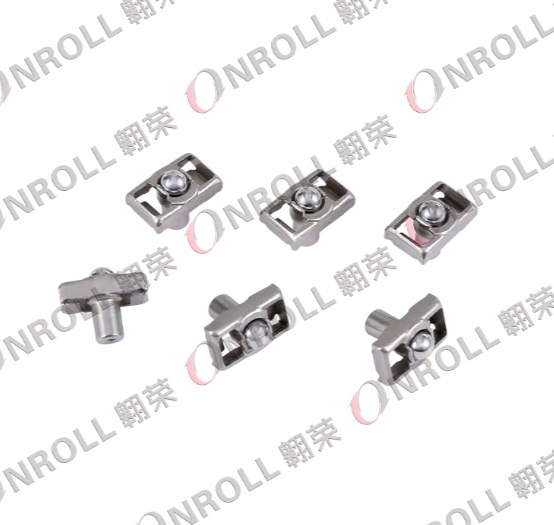
Aug 06,2025Stainless steel detent arres are crucial components in mechanical transmission and control systems, directly impacting equipment stability and lifespan. With the continuous improvement of industrial automation, the demand for high-precision, highly corrosion-resistant, and highly reliable ratchet stops is increasing.
Material Advantages and Corrosion Resistance
Stainless steel ratchet stops primarily utilize austenitic or martensitic stainless steel, materials known for their excellent strength and corrosion resistance. In various industrial environments, stainless steel effectively resists humidity, chemical media, and salt spray corrosion, significantly extending the service life of the ratchet stop. Simultaneously, the stable mechanical properties of stainless steel maintain excellent elasticity and strength under high or low temperature conditions, ensuring precise operation of the ratchet mechanism.
The material surface is typically precision polished or undergoes special surface treatments to further enhance wear resistance and corrosion resistance. This reduces frictional loss and improves overall equipment efficiency for machinery operating for extended periods.
Structural Design and Functional Features
The core structure of a stainless steel ratchet stop consists of a ratchet, pawl, spring, and bearings. The meshing design between the ratchet and pawl directly determines the safety and operational feel of the device. High-precision tooth surface machining ensures smooth operation of the ratchet under load, while providing a reliable stopping function to prevent rotation or accidental slippage.
Modern stainless steel ratchet stops also incorporate a modular design concept, making them easier to assemble and maintain. By optimizing the ratchet tooth profile and spring mechanical parameters, precise positioning and stable braking can be achieved in various mechanical applications, adapting to a variety of complex working conditions.
Wide Applications in Industrial Equipment
Stainless steel ratchet stops are widely used in industrial machinery, automated assembly lines, medical equipment, and aerospace. In precision machinery, ratchet stops are used for directional control and anti-reverse protection, ensuring accurate workpiece positioning. In automated systems, it serves as a critical safety component, ensuring rapid stopping and reliable locking of equipment in abnormal situations.
Due to the corrosion resistance and high strength of stainless steel, these ratchet stops are also commonly used in special environments such as food processing, pharmaceuticals, and marine engineering, ensuring stable operation of equipment in high humidity, high salt, or strong acid/alkali environments.
Performance Optimization and Precision Manufacturing Technology
With advancements in manufacturing technology, stainless steel ratchet stops have achieved significant progress in precision machining and heat treatment. High-precision tooth surface machining and laser surface strengthening technology improve gear wear resistance and lifespan. Simultaneously, optimized heat treatment processes enhance the material's hardness and toughness, allowing the ratchet stop to maintain stable performance under high loads.
Modern CNC machining and automated assembly technologies have made the ratchet stop production process more standardized, reducing human error and improving the consistency and reliability of mass production. This not only reduces maintenance costs but also enhances the overall performance of the equipment.
Maintenance and Usage Recommendations
Although stainless steel ratchet stops have good corrosion resistance, lubrication and regular inspection are still necessary during long-term use. High-quality lubricants can reduce gear friction, preventing tooth surface wear and increased noise. Regularly checking the spring's mechanical properties and the ratchet's meshing condition can help identify potential problems early and extend the equipment's lifespan.
In special environments, selecting the appropriate stainless steel grade and surface treatment process is also crucial. For example, in high-salt-spray environments, austenitic stainless steel with excellent seawater corrosion resistance should be selected to ensure the reliability of the ratchet stop.
Stainless steel ratchet stops, with their high corrosion resistance, excellent mechanical properties, and reliable stopping function, have become indispensable core components in industrial control systems. Through scientific design, precise manufacturing, and standardized maintenance, equipment performance and safety can be significantly improved, providing reliable protection for various industrial applications.
Your email address will not be published. Required fields are marked *

(+86)-191 0581 0729
(+86)-137 5830 1558